
Top AI Trend 2026: Shaping the Future of Automation and Intelligence
Explore the Top AI Trend 2026 and discover how intelligent automation, autonomous systems, and advanced AI capabilities are transforming business operations.
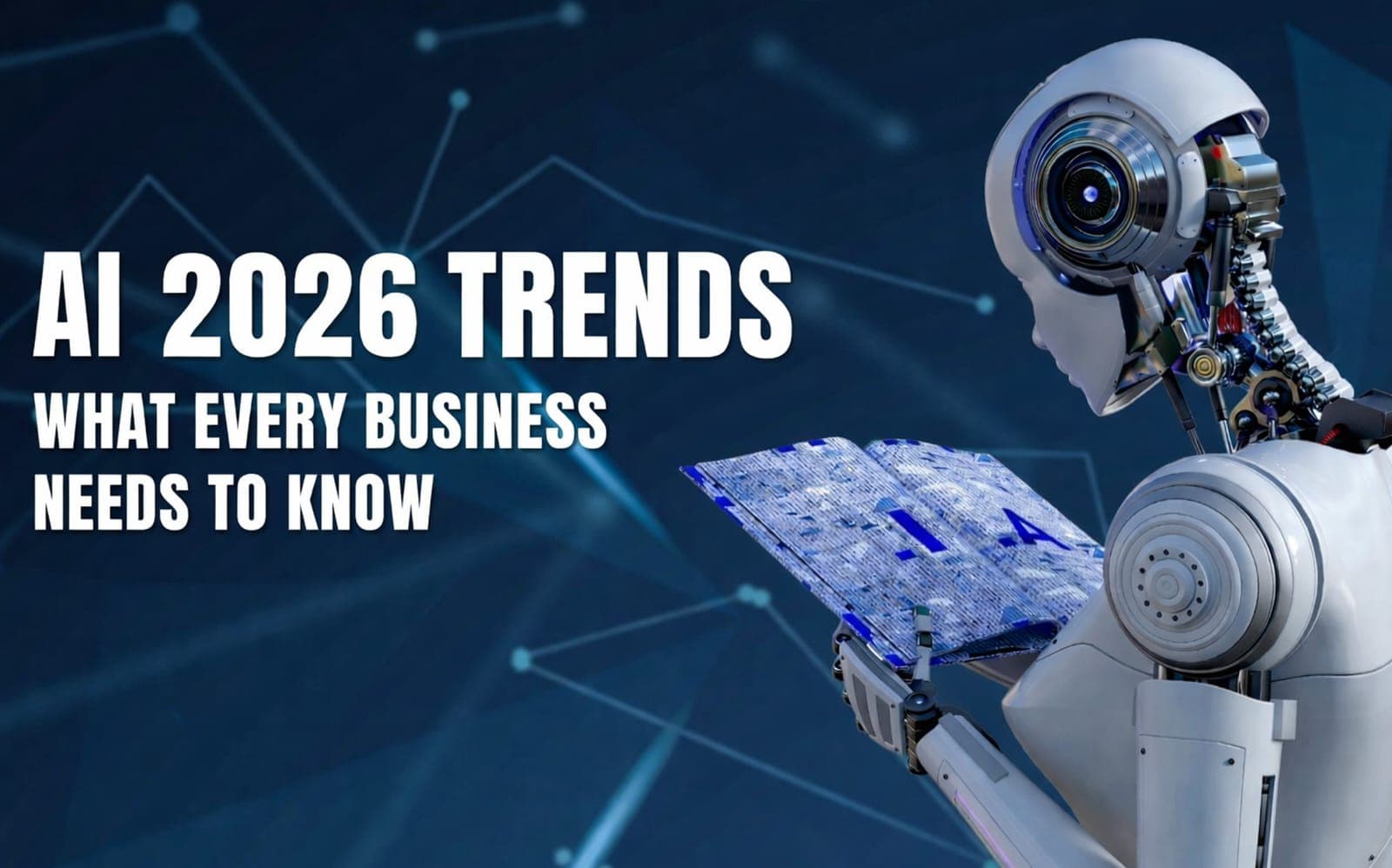
Artificial Intelligence is no longer an experimental technology; it has become a strategic foundation for how businesses operate, innovate, and scale. As we move into 2026, AI is transitioning from task-based automation to systems capable of reasoning, learning, and acting with greater autonomy. Organizations across industries are investing heavily to stay competitive, improve efficiency, and unlock new sources of value. Understanding the Top AI Trend 2026 is critical for leaders who want to future-proof their digital strategy.
This year marks a decisive shift in how intelligence is embedded into workflows, products, and decision-making frameworks. Instead of isolated applications, AI is now being integrated across ecosystems, connecting data, machines, and people in more meaningful ways.
Top AI Trend
The Evolution of Intelligent Automation
In 2026, automation is no longer limited to repetitive processes. Intelligent systems are capable of adapting in real time, learning from outcomes, and optimizing performance without constant human intervention. Businesses are deploying advanced AI tools to analyze vast datasets, detect patterns, and recommend actions faster than traditional systems ever could.
At the same time, AI automation is becoming more strategic. Rather than replacing human effort entirely, it augments human decision-making. Teams can focus on creativity, planning, and innovation while AI handles operational complexity behind the scenes.
From Single-Input Systems to Contextual Intelligence
One of the biggest shifts this year is the move toward systems that understand context more deeply. Traditional AI models relied on structured data inputs, but 2026 marks the rise of multimodal AI, which can process text, images, audio, and video together. This allows systems to interpret real-world scenarios more accurately, improving outcomes in areas like customer experience, healthcare diagnostics, and smart manufacturing.
Autonomous Decision-Making at Scale
Another defining shift is the emergence of Agentic AI, where systems are designed to set goals, plan actions, and execute tasks independently within defined boundaries. These agents can coordinate with other systems, adapt to changing environments, and continuously improve based on feedback. This capability is transforming enterprise operations, from IT management to supply chain optimization.
Industry-Focused Intelligence
Generic AI models are giving way to Vertical/Domain-Specific AI, which is trained on industry-specific data and workflows. These systems deliver higher accuracy, better compliance, and faster adoption because they understand the nuances of a particular sector, whether finance, healthcare, retail, or manufacturing.
Bridging Digital and Physical Worlds
AI in 2026 is no longer confined to screens and servers. Embodied AI is enabling machines, robots, and devices to perceive their surroundings and interact with the physical world intelligently. This trend is driving innovation in logistics, robotics, autonomous vehicles, and smart infrastructure, where real-time perception and action are critical.
Top AI Trends
✔ Retrieval-Augmented Generation (RAG) ✔ Conversational AI
✔ Predictive Analytics ✔ Sentimental AI
✔ AI Democratization(Low-code/No-code) ✔ Physical and Embodied AI
✔ Ethical and Explainable AI ✔ Agentic AI
✔ Multi-Modal AI ✔ Shadow AI
✔ Digital Twins ✔ Quantum AI
✔ Generative AI ✔ Sovereign AI & Geopolitical Dynamics
Ethics, Governance, and Trust
As AI systems gain more autonomy and influence, ethical considerations are taking center stage. Transparency, explainability, and accountability are now essential requirements, not optional features. Organizations are building governance frameworks to ensure responsible use while maintaining innovation velocity.
What This Means for Businesses
The Top AI Trend 2026 signals a move toward intelligence that is adaptive, contextual, and deeply embedded into business strategy. Companies that succeed will be those that align AI initiatives with real business outcomes, invest in data readiness, and develop internal capabilities to manage intelligent systems responsibly.
Rather than asking whether to adopt AI, leaders must now ask how quickly they can evolve their operating models to leverage it.
Conclusion
AI in 2026 is defined by autonomy, specialization, and real-world impact. From advanced reasoning systems to intelligent machines operating in physical environments, these trends are reshaping how organizations create value. Businesses that embrace this shift thoughtfully will gain a decisive competitive advantage. At Frantic, the focus remains on helping organizations navigate this transformation by aligning intelligent technologies with long-term business goals.
Latest Articles
Why Are the U.S. and Israel Attacking Iran? What We Know So Far
U.S. and Israel launch major strikes on Iran. Explore the causes, retaliation, global reactions, and what this escalation means for Middle East stability.

Iran Launches Widespread Attacks Across Middle East After US and Israel Strike Leadership and Military Sites
Iran fires missiles across Gulf states after US and Israel strike leadership sites, escalating regional conflict and raising global security fears.


.png&w=3840&q=75)
